How could Elvis' lover return to sender now?

Interpersonal communication is imperilled by AI, but Elvis can help. His song 'Return to Sender' recounts the tale of him apologising to a woman, after a quarrel, via post. The letter keeps coming back, but our focus is that the words were his own. Sincerely Elvis, not AI.
Letters aren't always romantic, words are for work and play. Yet in many scenarios, much correspondence is now generated by large language models (LLMs). Beyond the good and evil (and bias) of AI, its interactional applications raise unique concerns worth consideration.
"I believe in the magic and in the authority of words," French poet René Char once wrote². But when it's unclear if we're being addressed by people or computer programs, our faith in words is compromised. You can still return to sender, but let's look at how it feels when the sender is a simulation—not an Elvis—and why it matters.
Your AI message is made of maths
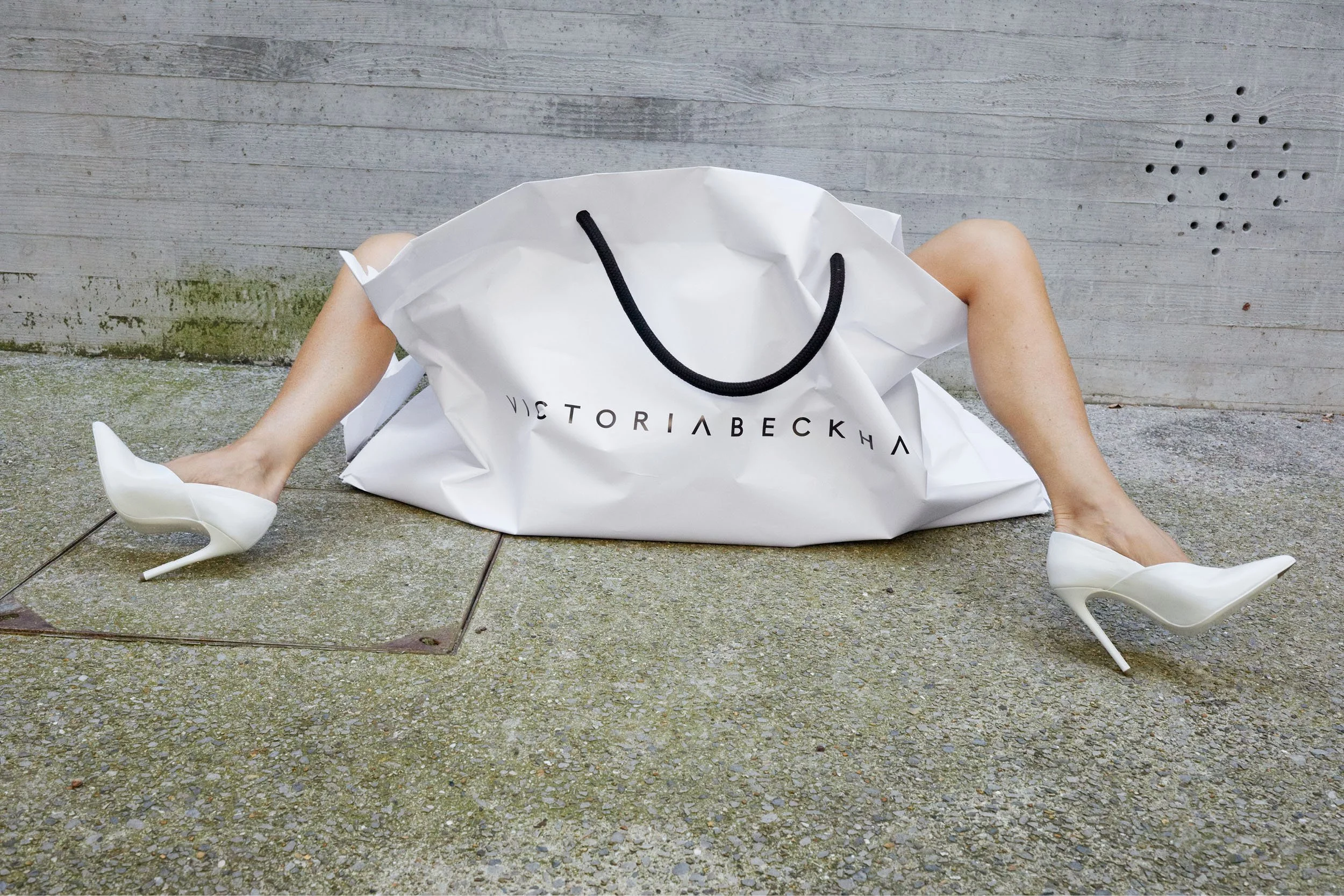
LLMs were invented after Elvis' time. In his era, letter writing was a skill honed by humans, not machines. Now, correspondence can be computational, born not of the mind but, rather, made of maths. When you receive messages generated by AI, you're exposed to text that has been calculated-into-being, not written. As a sender of AI outputs, you subject others to the same unconscious content, risking the erosion of meaning.
The exchange of synthetic text is not a sin. There are many distinct views on the morality of automated communication. Regardless of your perspective, LLM outputs create a ripple effect. Every piece of AI correspondence carries (symbolic) subtext, and we owe it to one another to keep that in mind. What feels productive for the sender could feel like a barb to the soul for the receiver of the AI-generated text.
After writing his first sorry, Elvis gave the note to the postman. A few returned letters later, he vows: "This time I'm gonna take it myself and put it right in her hand." Most messages are not romantic, granted, but that doesn't mean they should all be void of heart.
"Communication is more than just words exchanged—it is context, intention, and nuance," Tracy Barba writes³. "AI may be able to replicate polite phrasing, but it cannot understand the subtlety of a sigh in text, the weight of a carefully chosen word, or the warmth of a thoughtful note." Unlike human-authored automatic replies—e.g. out of office notifications—AI outputs can feel overtly hollow, degrading the spirit of the receiver.
Friedrich Nietzsche believed⁴ that "words are but symbols for the relations of things to one another and to us," proposing that "nowhere do they touch upon absolute truth." That may be so, but our words do touch upon others.
Wrap your words with you

Polished as it seems, computerised correspondence is not exactly polite. "AI generated emails ... are more than just in bad taste or a sign of poor judgment," Justin Gregg writes⁵. "They trigger a deep, emotional response in us." Employing AI to generate personal emails causes recipients to feel dehumanised, the author and scientist says. This is not an inbox-only issue, it extends all terrains where LLMs now act as intermediaries.
AI messages are heard loud and clear, but they may feel insulting. While LLMs can imitate natural language, we can still sense subtle distinctions between words written by humans and those generated by machines. The former is heartfelt, the latter hollow.
"When an AI is used to generate the words used in an email that is otherwise meant to connect with a friend or colleague, the ancient socio-cognitive foundation upon which human conversation is built is shattered," Gregg says. "AI-generated prose is a signal that you, the person using AI to facilitate communication, might not value the thoughts and feelings of the person reading your AI-generated text."
Elvis wrote his sorry and did his best to get it delivered, but it was still sent back. Had he outsourced his apology to an LLM, his lover would likely have been even less impressed. Whether you're writing to a colleague or friend, let them hear from you, not an LLM. Pause before you prompt your correspondence; addressees deserve more than just AI.
Be a sender who is sincere
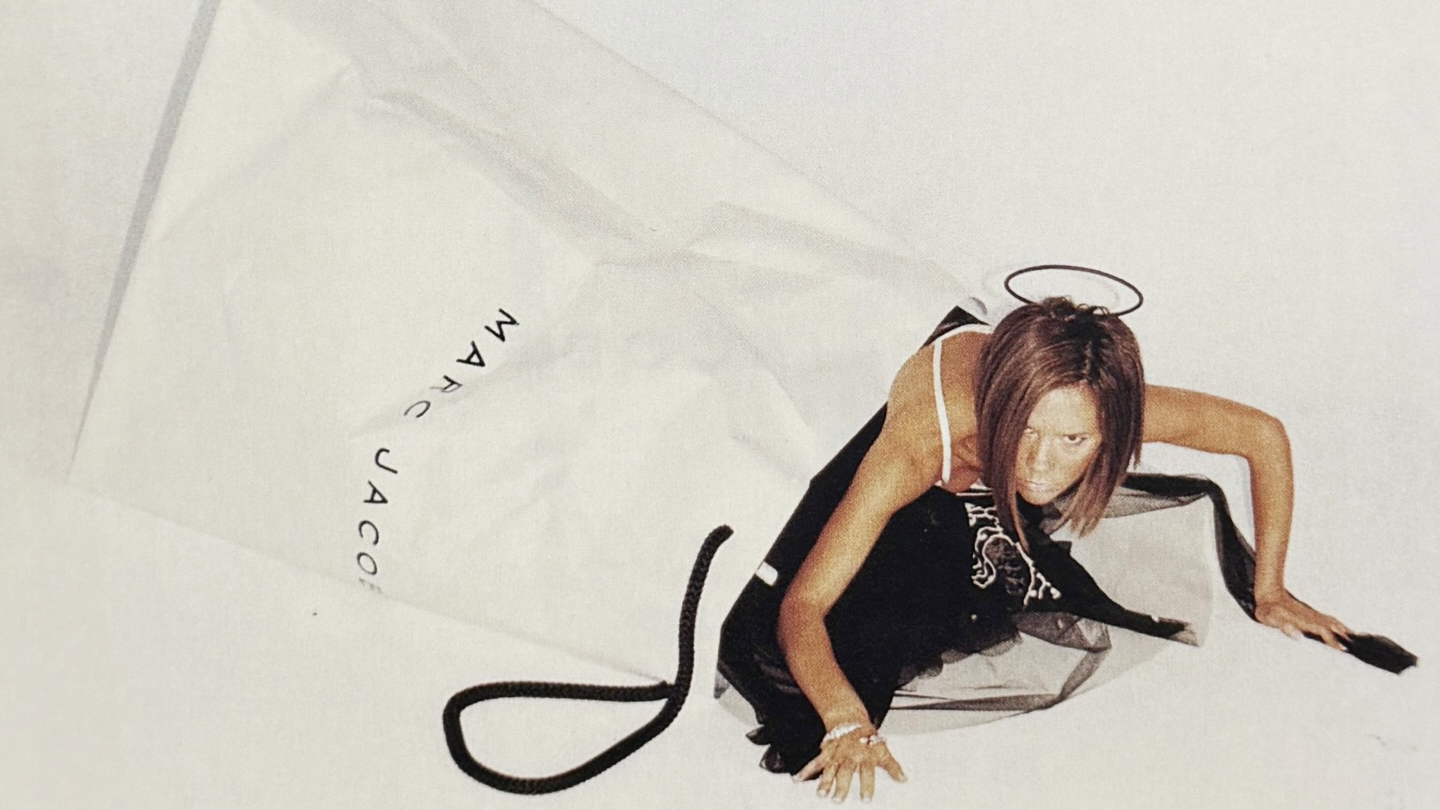
Secretaries have been helping people write for centuries; AI can't do the same. Humans have heart, LLMs can't feel. Tech accelerates your process, but it enfeebles sincerity.
Elvis wrote his sorry and tried every postal method before vowing to deliver the letter himself. What we learn from his song is a lesson in authenticity. Correspondence comes in all shapes and sizes, but all interpersonal contact leaves an emotional imprint. AI-generated messages cause cognitive and emotional dissonance in both sender and receiver⁶, a high price to pay for the sake of saving time you could recoup some other way.
Belief in the magic of words may sound too poetical for the professional realm, but it doesn't have to be. "By his writing, his gestures, his mental and emotive choices ... René Char never interrupted his lived testimony to the ways in which reading and writing are deeply moral acts, with consequences," Mary Ann Caws explains⁷. Like Elvis, the French poet understood the infiniteness and intimacy of language. Words are thus, always, to be handled with care in interpersonal communication. Signed sincerely you, not AI.
If you’d like to work with Kathryn, write to her.
Have art to share? Post your own lettre.
-
This Smoke that Carried Us | Selected Poems by René Char. Translated by Susanne Dubroff via WHITE PINE PRESS
Digital Dignity in the Age of AI-Generated Emails by Tracy Barba via Markkula Center for Applied Ethics at Santa Clara University
Philosophy in the Tragic Age of the Greeks by Friedrich Wilhelm Nietzsche. Translated by Marianne Cowan via Regnery Publishing
Why Using AI to Write to Friends and Family Is Dehumanizing by Justin Gregg via Psychology Today
Polished yet impersonal: The unintended consequences of writing your emails with AI by Dr. Georg von Richthofen of Alexander von Humboldt Institute for Internet and Society
Selected Poems of René Char by René Char. Edited by Mary Ann Caws and Tina Jolas via New Directions Publishing
-
Artwork by © German artist and fashion photographer Juergen Teller—explore his work at Lehmann Maupin via artist profile. Images taken from separate Marc Jacobs + Victoria Beckham campaigns. Modelled by Victoria Beckham.
