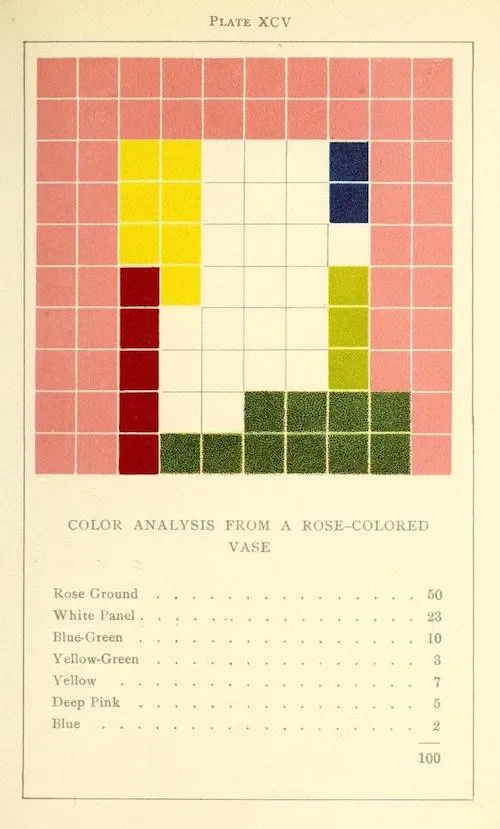
Colour chart by Emily Noyes Vanderpoel. Via Color problems (1903)
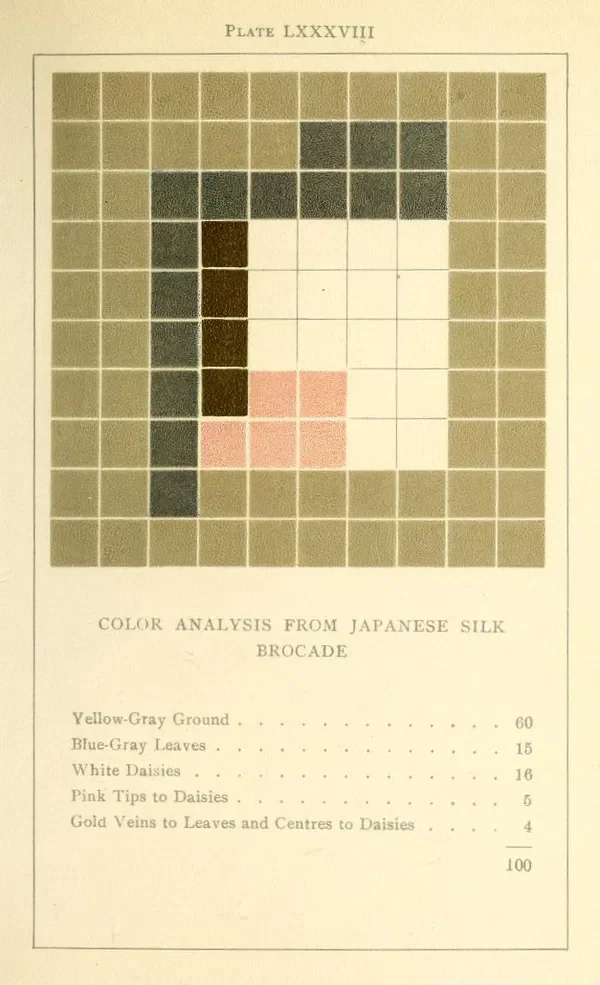
Colour chart by Emily Noyes Vanderpoel. Via Color problems (1903)
One of things I'm thinking about lately: what it means to be creative is up for debate.
AI tooling has changed the game for all of us. Many things that used to take a long time are now shockingly simple, and fast too. At the same time, many people are asking — from both a philosophical and practical standpoint: how can we support and preserve what’s unique and special about the human creative process?
Right now, the tech industry is focused on productivity, efficiency, and optimization at all costs. I get it. As someone who is building a startup, where we need to squeeze the most we can out of our limited resources to survive and thrive, we also want to build as fast as possible...
But something is getting lost in the mix: protecting space for the inefficiencies of human creativity. The random walk that gets you to something incredible. The unexpected connections and observations that bring you to a new destination. The joy of discovery — and the awe of your own participation in it — that keeps you connected to the work.
I still think that’s how you build craft, how you solve hard problems, and how you stay engaged and motivated in your work and your purpose. For me, it impacts both the outcome, and the story you tell yourself about it.
It's all pretty "meta" for me, because at my company Focused Space we are quite literally building a platform to help people protect space for deep work, make progress on what matters most, and have fun doing it (in community with other humans, not AI).
I'm interested in seeing how human creativity evolves. I think we need to protect, nurture, defend, and value the unquantifiable aspects of creation — no matter what new tools rise to prominence in the years to come.
Words by Alexis Hope | Head of Product at Focused Space
