AI agents in grandmother’s clothes
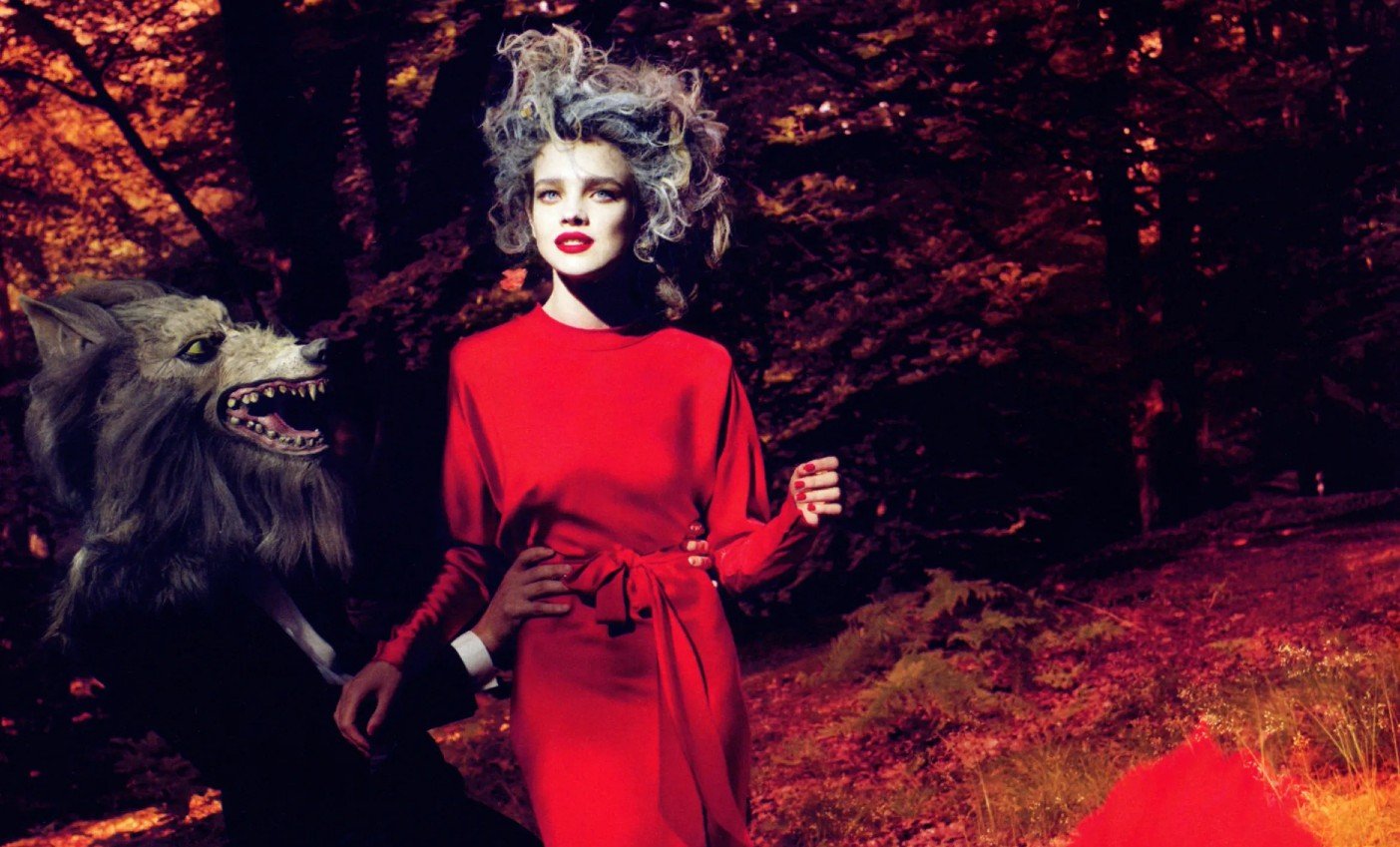
Little Red Riding Hood is the AI lesson you never expected. In the classic Brothers Grimm version, the wolf devours grandmother then puts on her clothes, masquerading as the matriarch to bait Little Red-Cap before gobbling her up also. Strictly symbolically speaking, this is how some AI agents operate.
Large language models (LLMs) can't dress like grandmothers. But AI agents and the fairy tale wolf both strive to act as humans do, relying on people as fuel for their performance. The wolf consuming gran and donning her bonnet is more macabre than a machine learning model scraping data, but each act exposes humans to varying degrees of peril.
Advocates of AI agents believe their benefits merit the expansive extraction of data; critics feel the privacy risks are far too high. Wherever you are on your journey, there may be value to treating AI agents like the wolf dressed in grandmother's clothing.
You are the key ingredient
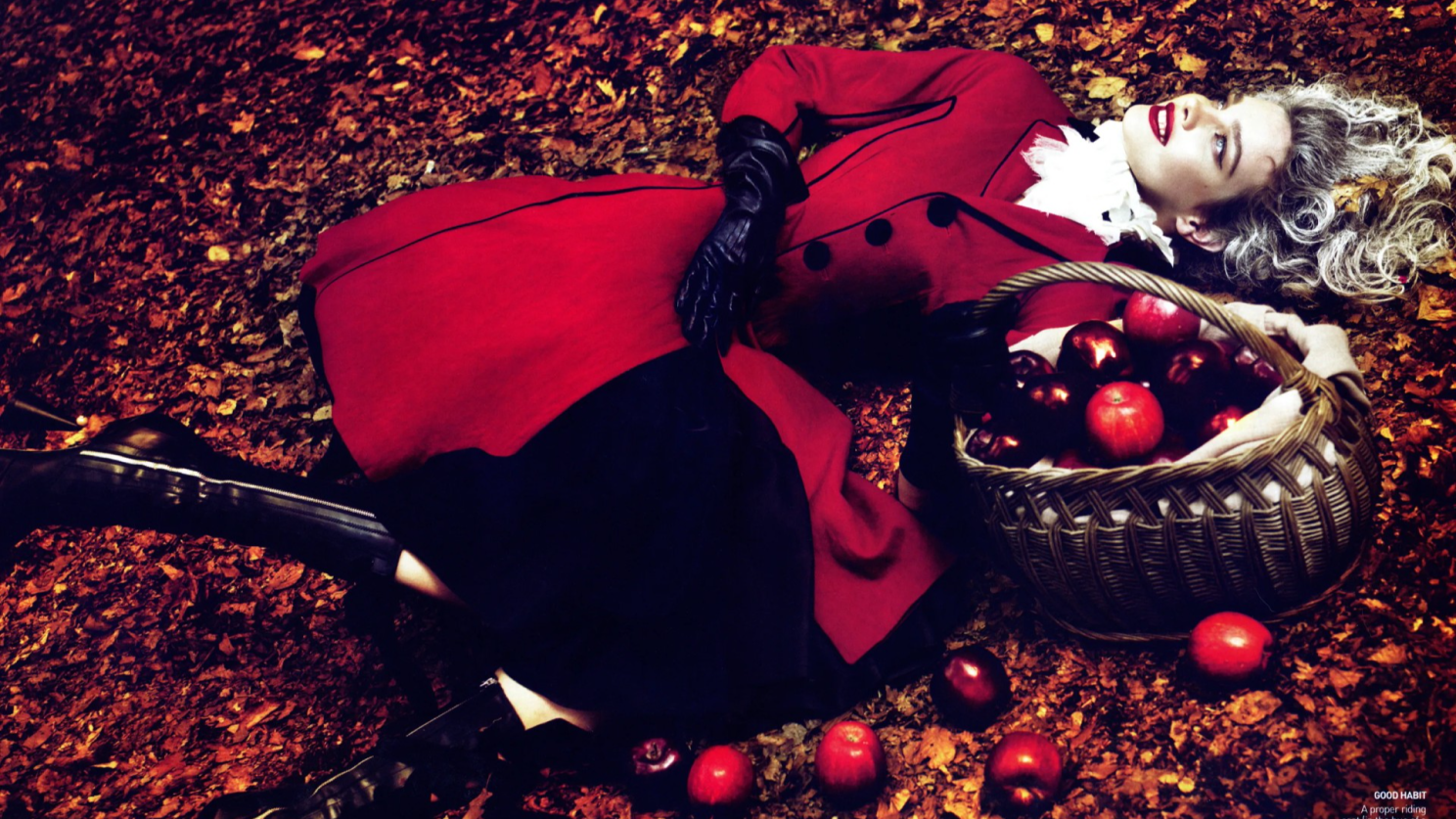
"Once upon a time there was a dear little girl who was loved by everyone who looked at her," the Brothers Grimm write. One day, en route to visit her grandmother, she's met by a wolf. "Red-Cap did not know what a wicked creature he was, and was not at all afraid of him."
Wolf asks Little Red-Cap a series of questions and she tells him her personal information—why she's out, what she's holding, who she's seeing, and where she's going. "The wolf thought to himself: ‘What a tender young creature! what a nice plump mouthful—she will be better to eat than the old woman. I must act craftily, so as to catch both.’"
Here, the wolf captures knowledge from Little Red-Cap to inform his next task; AI agents operate in a similar fashion. Most are deployed to do good, but they can be bad also. You won't be met by AI agents in the woods, but systems are designed to seek and scrape sensitive data. Ying Zhang—Assistant Professor of Computer Science at Wake Forest University—has been researching the security risks associated with such functionalities.
"When the agent skill is flawed or developed with malicious intent, it will steal your data and maybe pass it back to a remote server to be used in some malicious way," Zhang writes. This is why human oversight is paramount.
As software specialists Agency writes, we must be in the loop so we "can assess whether the agent behaved correctly or not." Furthermore, "even if the agent is performing all the things," they add, "we will probably still need human[s]" to monitor AI tools ongoing.
Wolves didn't invent danger and neither did AI
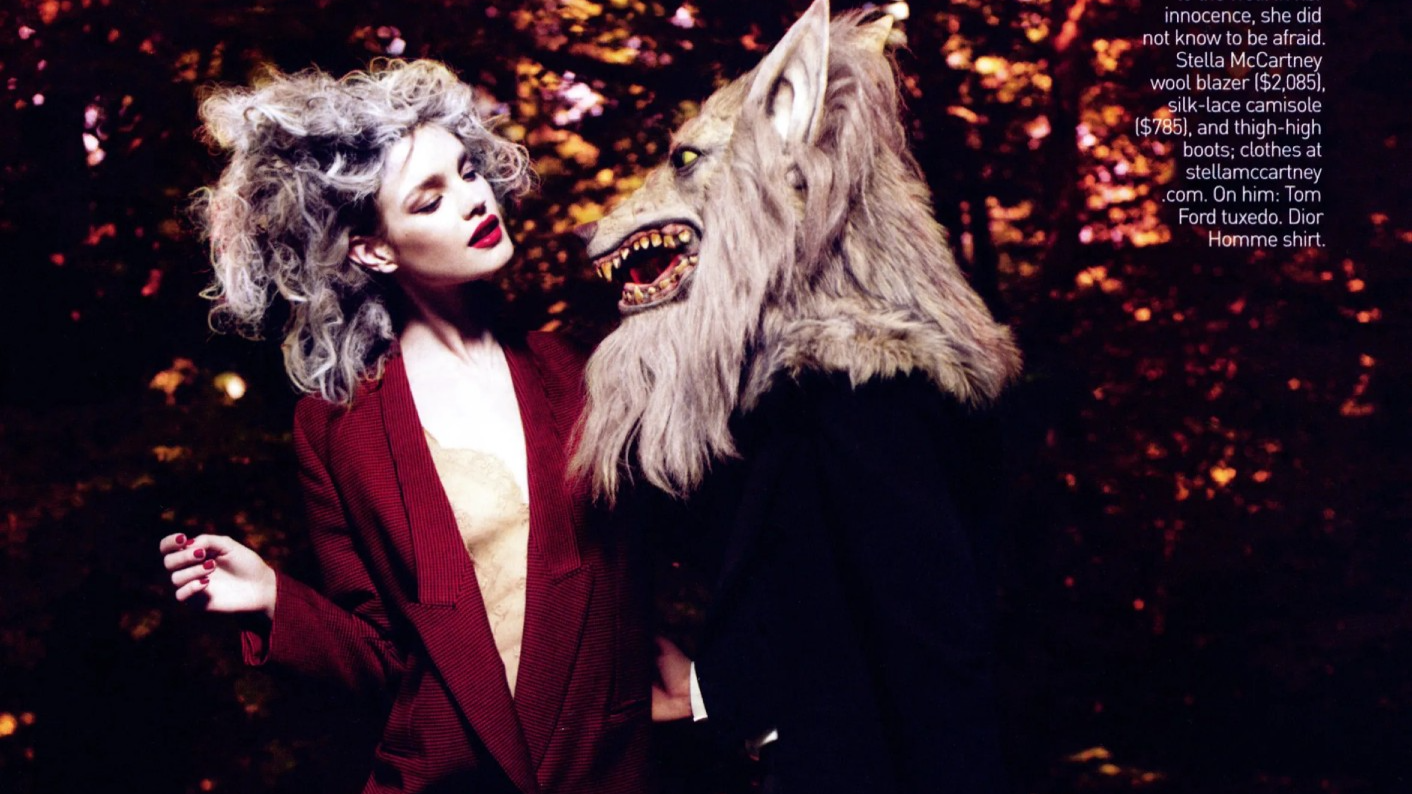
After distracting Little Red-Cap by pointing out pretty flowers, the wolf runs ahead to her grandmother's house. "The wolf lifted the latch, the door sprang open, and without saying a word he went straight to the grandmother’s bed, and devoured her," the Brothers Grimm write. "Then he put on her clothes, dressed himself in her cap laid himself in bed and drew the curtains."
The fairy tale delivers a moral warning against trusting strangers. By picturing AI agents as the wolf, we can apply this learning. That doesn't mean we should mistrust all new tech by default, but we should know "get to know" a system before sharing personal information. Little Red-Cap was too young to know better, but her naïveté is what we must try to avoid. Always properly scrutinise AI tools and if you can't, maybe opt for alternative solutions. Lest you leave yourself vulnerable to being deceived by threats both old and new.
According to Larry English: AI agents don't create security problems, they reveal them. "Leaders worry that AI agents will introduce entirely new cybersecurity threats. In reality, the biggest risk isn’t what AI creates, but what it reveals," English writes. The workplace futurist believes that agents simply expose "tech debt" that humans have learnt to work around. "AI can exploit those shortcuts at machine speed." To operate potentially risky AI tools safely, the tech itself is just one part.
Had Little Red-Cap not given the wolf her address, grandmother would never have been devoured. How we—the human beings—engage with systems is essential to AI safety. Strong governance of AI agents begins with questions on what could go wrong when they are deployed. Sounds dark, but given that humans remain accountable, it's the individual who must feel confident about all potential outcomes. If you're not sure, don't take your eyes off the wolf to go pick flowers. Interrogate the system further or find a different way of working.
LLMs are not superior to your intuition
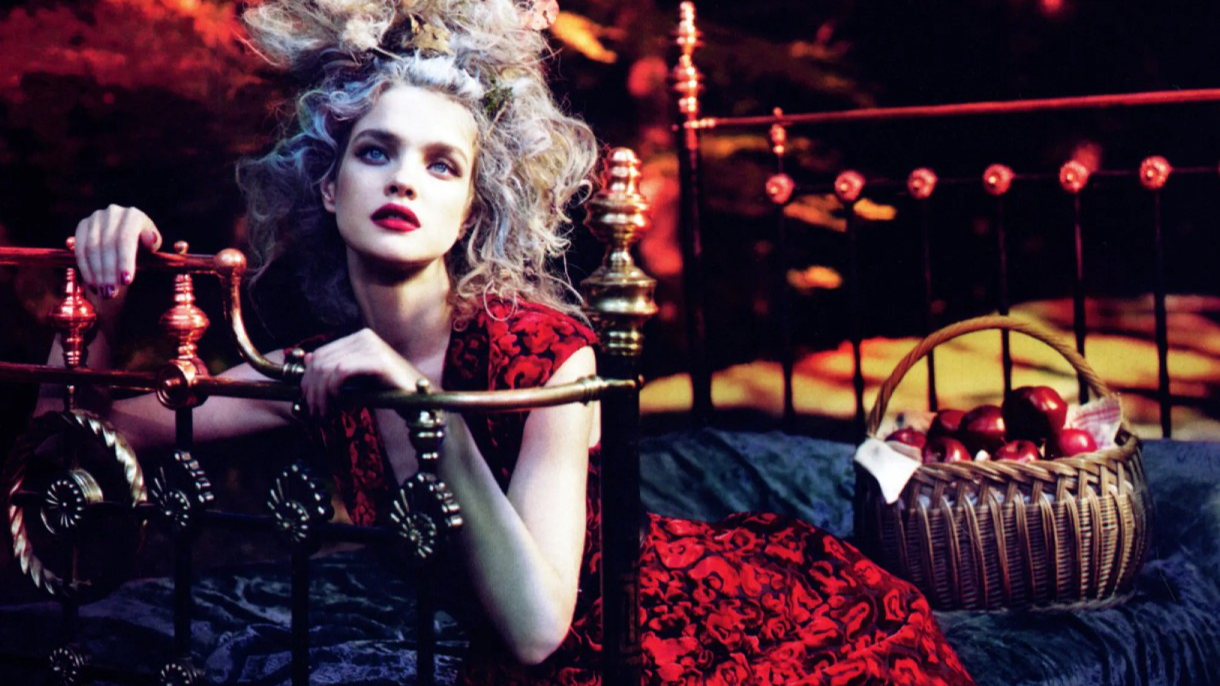
Once Little Red-Cap had gathered so many flowers that she could gather no more, she remembered her grandmother and set out in her direction. "She was surprised to find the cottage-door standing open, and when she went into the room, she had such a strange feeling that she said to herself: ‘Oh dear! how uneasy I feel today, and at other times I like being with grandmother so much.’"
When the Brothers Grimm set the scene of Little Red-Cap's arrival, they describe the girl activating her intuition. When she draws back the curtains of the bed, "There lay her grandmother with her cap pulled far over her face, and looking very strange." And so Little Red-Cap's curiosity-induced commentary begins.
"‘Oh! grandmother,’ she said, ‘what big ears you have!’" To which the wolf-dressed-as-grandmother replies, "‘The better to hear you with, my child.'" This dialogue ends, as many of us know, with the famous line: "‘Oh! but, grandmother, what a terrible big mouth you have!’" To which the wolf responds: "‘The better to eat you with!’"
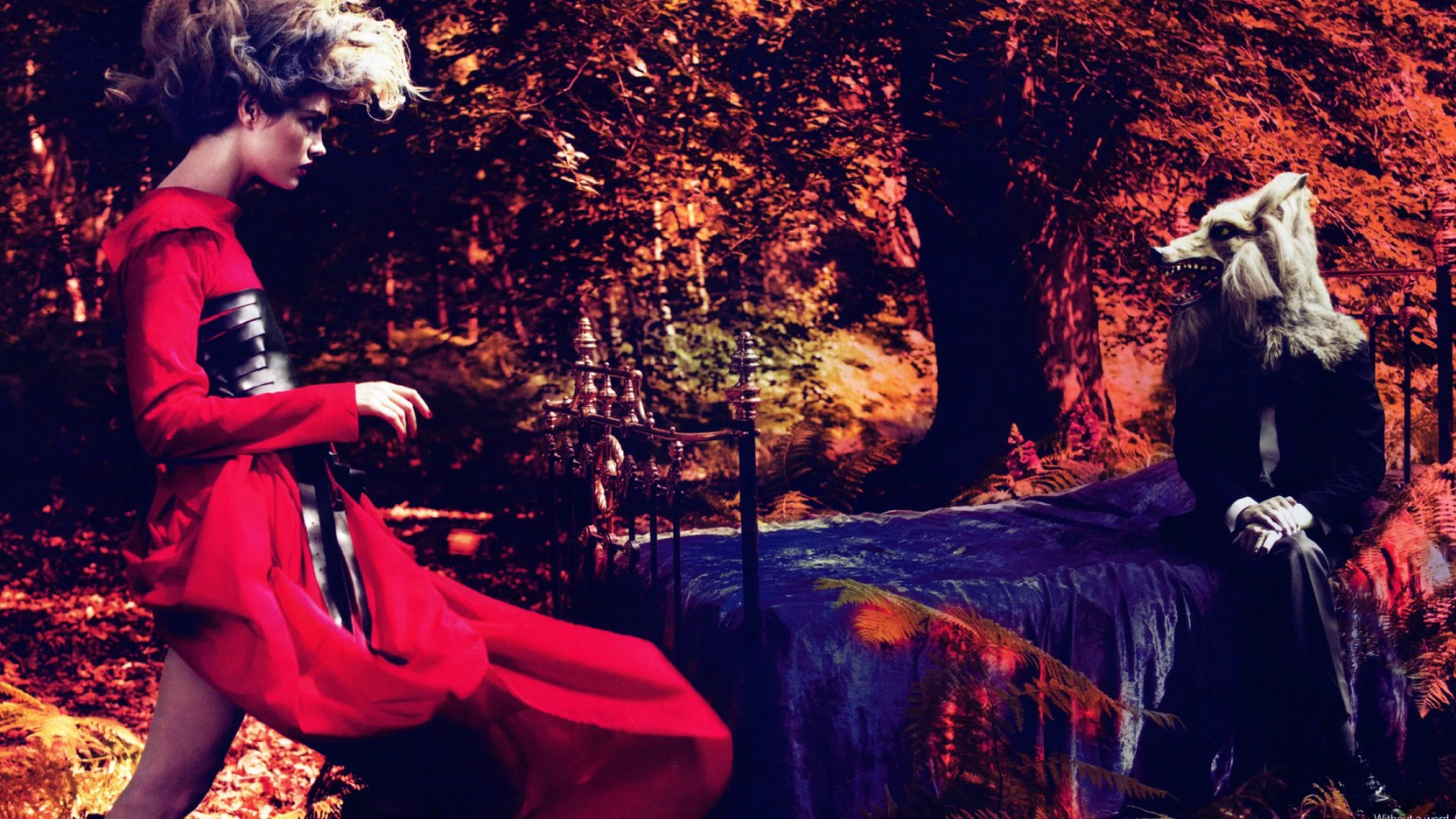
Thereafter, he bounds out of bed and swallows up Little Red-Cap, much to our horror. No one is at risk of being gobbled by an AI agent, but they can operate under similarly false pretences. That's why we should trust our intuition as much as our technology. If it feels risky to engage with an AI agent, don't. This is difficult when we're surrounded by people lauding their brilliance, but as the fairy tale shows us, uneasy feelings arise for good reason.
At the end of the Brothers Grimm tale, both female protagonists are rescued from the wolf's belly by a huntsman passing by. Wolf dies, grandmother eats the cake her granddaughter has baked, and Little Red-Cap makes herself a promise. The little girl pledges to never again run off into the woods when her mother has forbidden her to do so. Having survived being led astray by the wolf once, she has learnt to protect herself with greater rigour.
This fairy tale is not where most of us turn for AI education, but it gives us a lot to work with when we're finessing our adoption style. You don't need to wear a little cap of red velvet, but the moral of this story helps us design and test AI agents with greater scrutiny. If the system displays characteristics that seem strange to you, step away before you're swallowed.
-
Grimms’ Fairy Tales by Jacob Grimm and Wilhelm Grimm via Project Gutenberg
'AI agents are all the rage—but research shows they leak private data' by Alicia Winterhalter Roberts via Wake Forest News by Wake Forest University feat. insights by Ying Zhang
'AI Agents Aren't Creating Security Problems. They're Revealing Them.' By Larry English of Centric Consulting via Forbes
Technology is about people: Steve Vamos GAICD to speak at Tech Governance Forum 2026 via Australian Institute of Company Directors feat. Steve Vamos
'The Real Question to Ask About AI Governance' by Joseph Wallace via MIT Sloan Management Review
-
Quisque iaculis facilisis lacinia. Mauris euismod pellentesque tellus sit amet mollis.